
Trees are an essential part of our planet's ecosystem. They play a vital role in regulating the climate, providing habitat for wildlife, and producing oxygen. Here are some of the most important reasons why trees are crucial for the health of our planet:
1. Oxygen production: Trees produce oxygen through the process of photosynthesis, which involves taking in carbon dioxide and releasing oxygen into the atmosphere. This helps to purify the air and make it safe for us to breathe. One mature tree can produce enough oxygen to support two people for an entire year.
2. Carbon dioxide absorption: Trees absorb carbon dioxide from the atmosphere and store it in their trunks, branches, and leaves. This helps to reduce the amount of heat-trapping gases in the air and prevent global warming.
3. Ecosystem support: Trees provide habitat for a variety of wildlife, including birds, insects, and mammals. They also provide food and shelter for many species, helping to maintain the delicate balance of the ecosystem.
4. Soil protection: Trees help to prevent soil erosion by holding the soil in place with their roots. This helps to maintain healthy soils and prevent nutrient loss.
5. Water regulation: Trees help to regulate the water cycle by absorbing water from the ground and releasing it into the atmosphere through transpiration. This helps to maintain healthy watersheds and prevent floods and droughts.
6. Aesthetic value: Trees provide beauty and visual interest to our landscapes. They can be used to create shade, windbreaks, and privacy screens, and they can also increase property values.
Despite their importance, trees are often threatened by deforestation, climate change, and other human activities. It is important for us to protect and preserve our forests for future generations. Planting new trees and supporting efforts to reduce deforestation can help to ensure that trees continue to play an important role in our planet's ecosystem.
In conclusion, trees are essential for the health of our planet. They produce oxygen, absorb carbon dioxide, provide habitat for wildlife, and help to protect soils and watersheds. By protecting and preserving our forests, we can help to ensure a healthy and sustainable future for ourselves and for the planet.
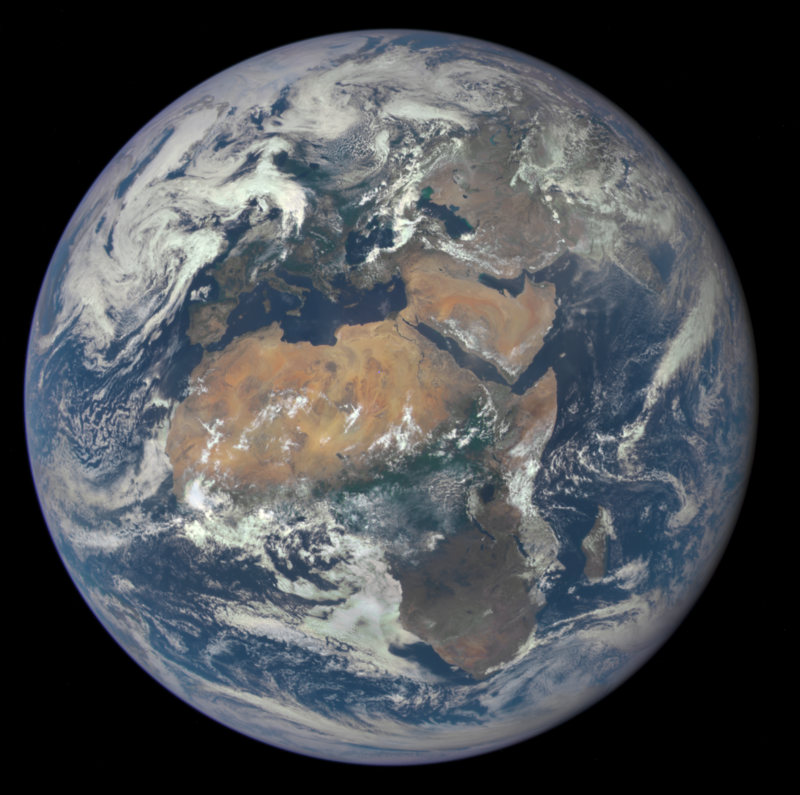
Oxygen production
Trees produce oxygen through the process of photosynthesis, which involves taking in carbon dioxide and releasing oxygen into the atmosphere.

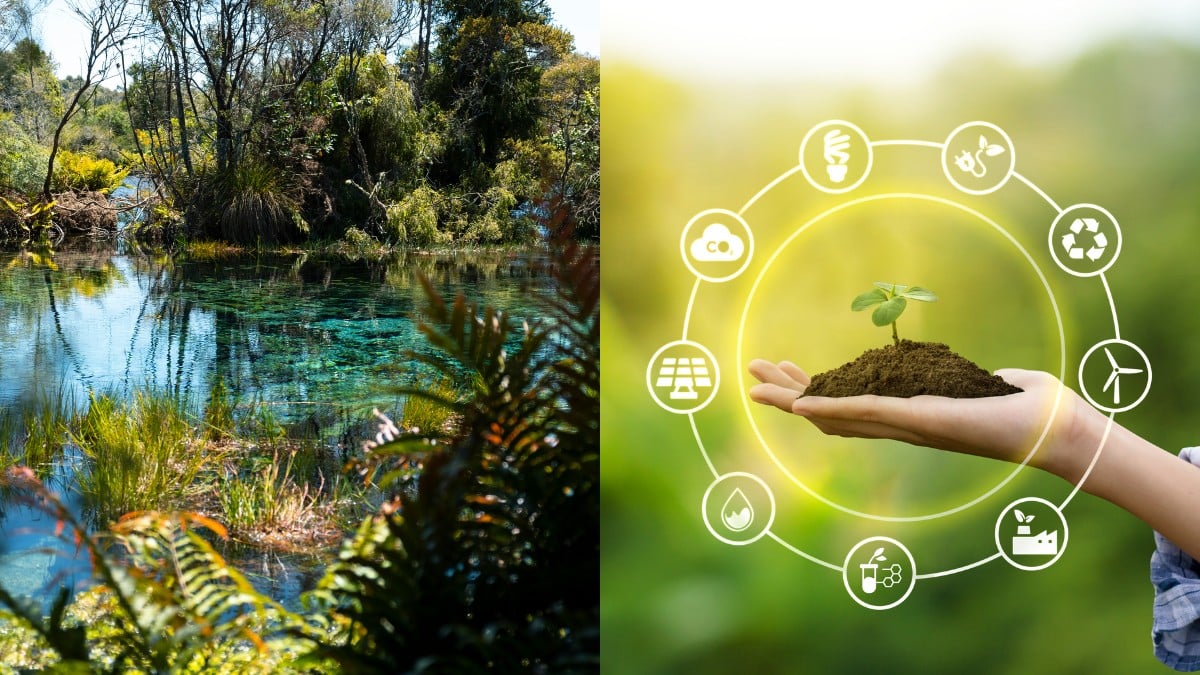
Ecosystem
Trees provide habitat for a variety of wildlife, including birds, insects, and mammals. They also provide food and shelter for many species, helping to maintain the delicate balance of the ecosystem.Trees provide habitat for a variety of wildlife, including birds, insects, and mammals. They also provide food and shelter for many species, helping to maintain the delicate balance of the ecosystem.
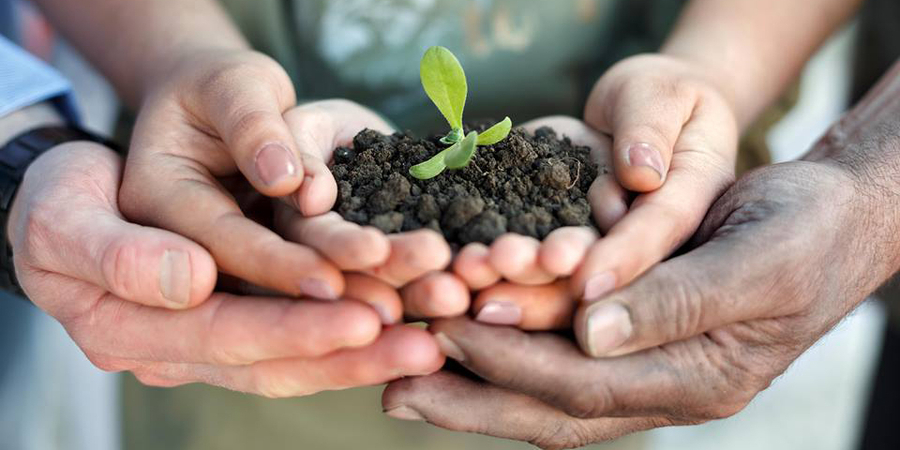
Soil protection
Trees help to prevent soil erosion by holding the soil in place with their roots. This helps to maintain healthy soils and prevent nutrient loss.Trees help to prevent soil erosion by holding the soil in place with their roots. This helps to maintain healthy soils and prevent nutrient loss.

Water regulation
Trees help to regulate the water cycle by absorbing water from the ground and releasing it into the atmosphere through transpiration. This helps to maintain healthy watersheds and prevent floods and droughts.Trees help to regulate the water cycle by absorbing water from the ground and releasing it into the atmosphere through transpiration. This helps to maintain healthy watersheds and prevent floods and droughts.

Aesthetic value
Trees provide beauty and visual interest to our landscapes. They can be used to create shade, windbreaks, and privacy screens, and they can also increase property values.Trees provide beauty and visual interest to our landscapes. They can be used to create shade, windbreaks, and privacy screens, and they can also increase property values.